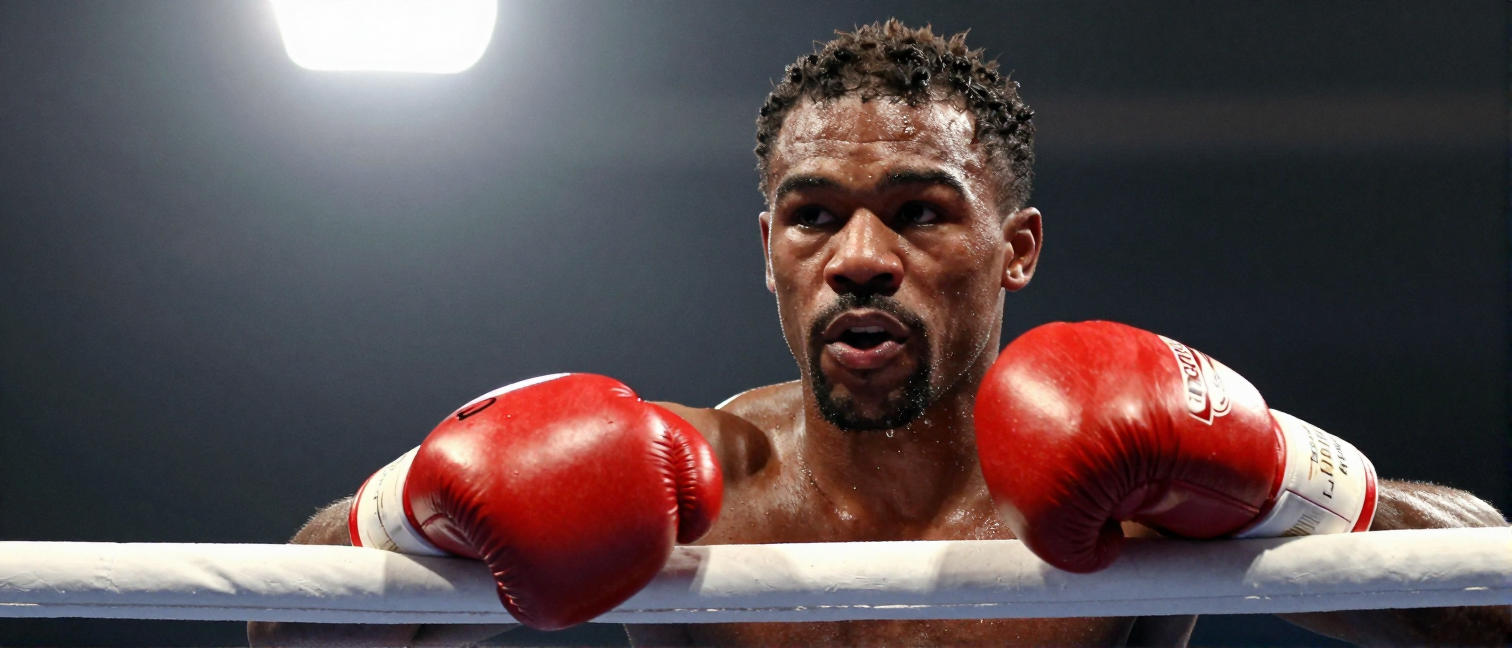
Floyd Mayweather turned the sport on its head on 2 May 2015 when his $300 million clash with Manny Pacquiao shattered pay‑per‑view records and set a new financial benchmark for boxing.
How did the fight rewrite boxing economics?
The May‑vs‑Pac fight generated roughly 4.6 million PPV buys in the United States, eclipsing the previous record held by Mayweather’s 2013 bout with Canelo Álvarez. That surge translated into a $300 million revenue pool, the largest ever for a single boxing event. Promoter Bob Arum and Showtime capitalised on the unprecedented hype, selling premium‑priced tickets and premium‑tier streaming packages that pushed the gate to $72 million.
Why does the $300 million figure still matter?
Even a decade later, the financial blueprint from that night guides every major bout. Fighters now negotiate guaranteed purses that reference the May‑Pac ceiling, while broadcasters demand multi‑year PPV guarantees before committing to a card. The fight also proved that a well‑crafted narrative—"the fight of the century"—can turn a sporting event into a global media spectacle, prompting promoters to invest heavily in cross‑platform storytelling.
What ripple effects did it have on other fighters?
After Mayweather‑Pacquiao, several stars chased the same revenue model. In 2017, Anthony Joshua’s clash with Wladimir Klitschko fetched $71 million, but the purse split still fell short of Mayweather’s $180 million guaranteed share. Even non‑boxers took note; UFC champion Conor McGregor cited the bout as a template for his own $300 million‑plus earnings from the 2017 Khabib fight. The ripple shows how Mayweather’s financial success reshaped contract negotiations across combat sports.
What does the legacy mean for future match‑ups?
Promoters now treat marquee fights as multi‑year projects, building hype months in advance. The May‑Pac model forces athletes to consider brand building, social media reach, and global marketability as part of their fight preparation. As new talents like Gervonta Davis and Errol Spence Jr. eye the $300 million summit, they must craft narratives that capture both hardcore fans and casual viewers.
How did the fight influence fan expectations?
Fans now expect high‑stakes storytelling and massive production values. The 2 May 2015 event featured a $2 million opening‑night light show, a celebrity‑filled red carpet, and a live‑streamed weigh‑in that drew 2 million concurrent viewers. That level of spectacle set a new standard, making any future bout without comparable fanfare seem under‑delivered.
What’s the next big financial milestone?
Industry insiders speculate that a Mayweather‑style showdown between a top‑tier boxer and a mixed‑martial‑arts star could finally eclipse the $300 million mark. Until then, the May‑vs‑Pac fight remains the yardstick for what a single boxing night can achieve financially, and Floyd Mayweather’s name stays synonymous with the sport’s most lucrative chapter.